
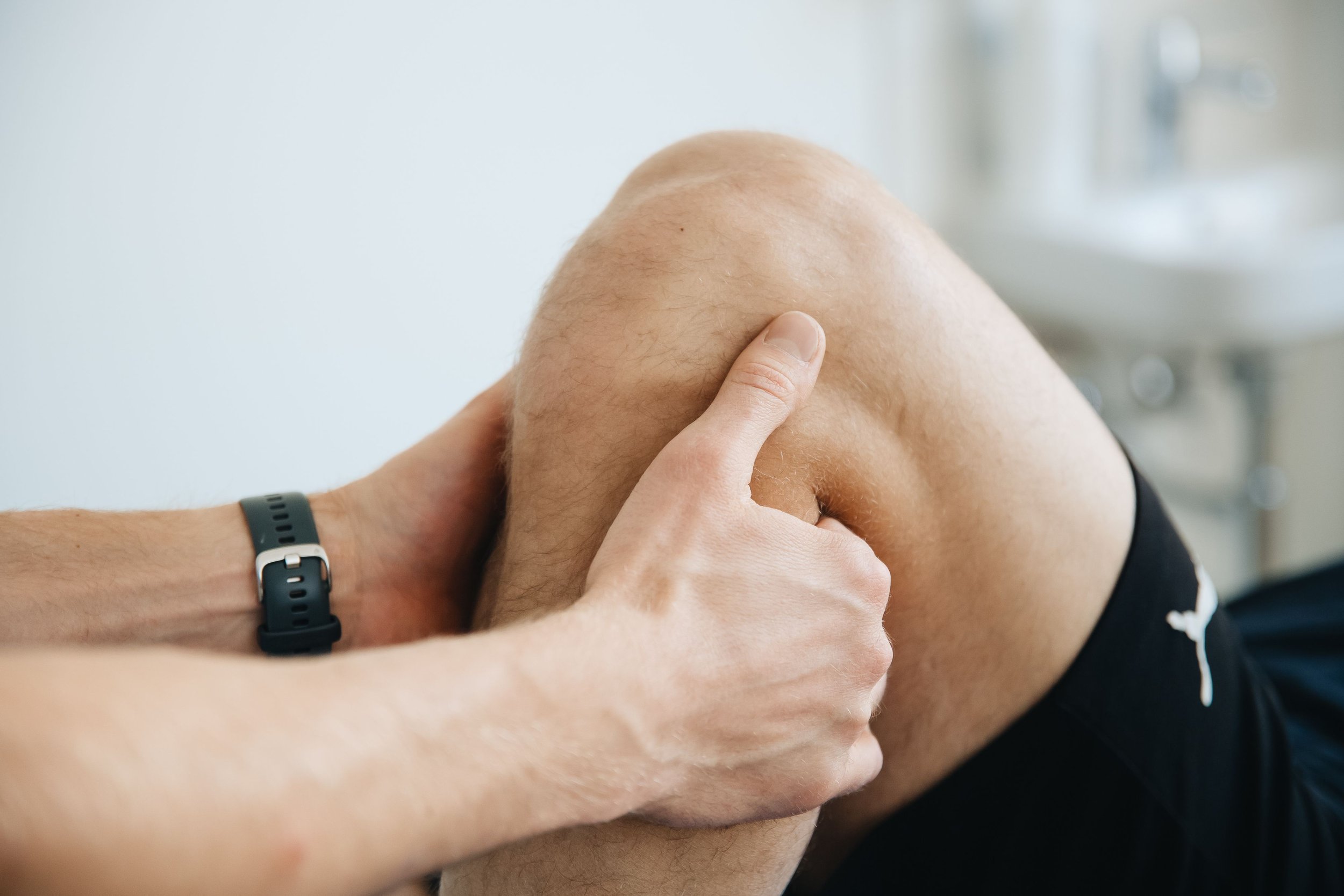
Osteoarthritis Management
At Peak Physiotherapy Strength & Conditioning, we provide osteoarthritis management for joint pain and stiffness. Our physiotherapists take an evidence-based approach to treatment, helping you stay active and maintain long-term joint health.
Common conditions we treat
Knee Osteoarthritis
Hip Osteoarthritis
Shoulder Osteoarthritis
Spinal Osteoarthritis
Our Osteoarthritis & Joint Replacement Classes
Our classes provide structured, guided support for people managing osteoarthritis or preparing for and recovering from joint replacement surgery.
Each class includes:
Supervised exercise therapy
Tailored to your stage of management or recovery, and adjusted as you progress.
Direct access to a physiotherapist
To ask questions, check technique, and address concerns as they come up.
Education on osteoarthritis and joint replacement surgery
So you understand what to expect and how to manage your condition day to day.
A supportive group environment
With others managing similar conditions, going through preparation or recovery at a similar stage.
FAQ’s
-
No — for most people, appropriately guided exercise doesn't damage the joint and is one of the most effective ways to manage osteoarthritis symptoms. Some mild discomfort when starting a new activity is common and expected, and your physiotherapist will guide you on building activity safely.
-
Exercise-based physiotherapy is recommended as a first-line treatment for osteoarthritis and can help reduce pain and improve function. For some people this reduces or delays the need for surgery, though this varies depending on the joint affected and how your condition progresses over time.
-
Management typically starts with an assessment of your symptoms and goals, followed by a tailored plan that may include exercise, education about your condition, activity modification, and strategies for managing flare-ups. The right approach depends on which joint is affected and how it's impacting your daily life.
-
A referral isn't required to see us, and osteoarthritis is often diagnosed based on your symptoms and a physical assessment rather than requiring an X-ray or scan. If you already have imaging or a specialist referral, bring it along to your first appointment.
-
A flare-up — a temporary increase in pain, stiffness, or swelling is a common part of managing osteoarthritis and doesn't mean the condition is getting worse long-term. Gentle movement and modifying rather than stopping your usual activity generally helps more than complete rest. If flares are frequent or particularly severe, it's worth checking in with your physiotherapist to adjust your management plan.