
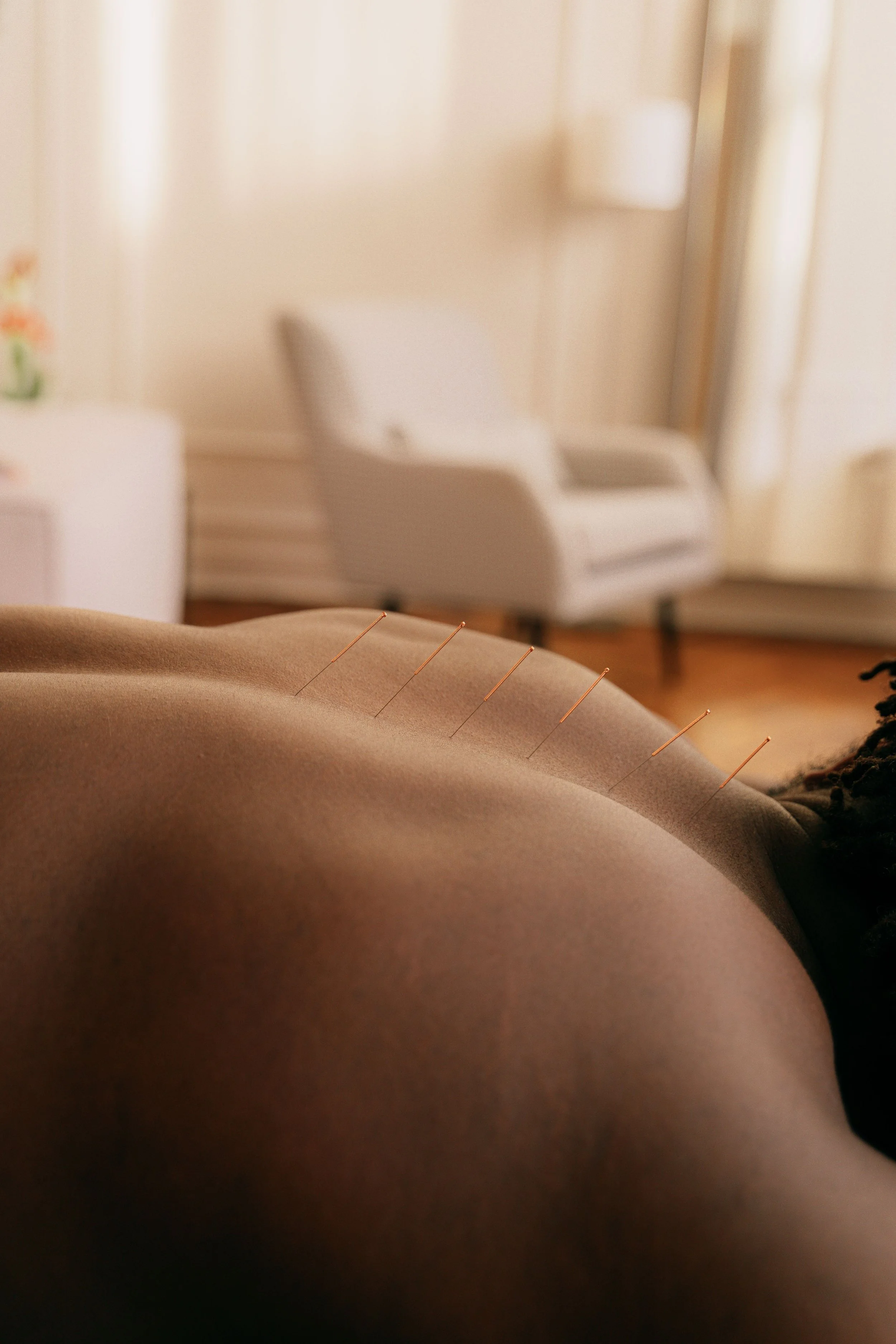
Dry Needling
Dry needling is a specialised technique used by physiotherapists to treat musculoskeletal pain and dysfunction, and can be an effective treatment option for a variety of musculoskeletal conditions. Research supports its use for short-term pain relief and improved movement, particularly when combined with active exercise-based rehabilitation rather than used as a stand-alone treatment.
FAQ’s
-
Dry needling is commonly used for muscle-related tension, and conditions such as neck and back pain, tendon injuries, and sports-related muscle strains. It's typically used as part of a broader treatment plan rather than on its own.
-
Most people feel a brief, dull ache or muscle twitch as the needle is inserted, which usually settles quickly. Mild soreness in the treated area for a day or so afterward is common and expected.
-
Your physiotherapist will assess the area causing your symptoms and insert fine needles into the relevant muscle. Dry needling is often combined with other treatment techniques, such as manual therapy or targeted exercises, within the same appointment.
-
Mild soreness or tiredness in the treated muscle is normal for 24–48 hours. Staying hydrated, keeping the area gently moving, and avoiding strenuous activity for the rest of the day can help. Your physiotherapist will let you know if there's anything specific to do or avoid for your situation.
-
This varies depending on your condition and how you respond to treatment. Some people notice improvement after just one or two sessions, while others benefit from dry needling as part of an ongoing treatment plan. Your physiotherapist will discuss what's appropriate for you during your assessment.